


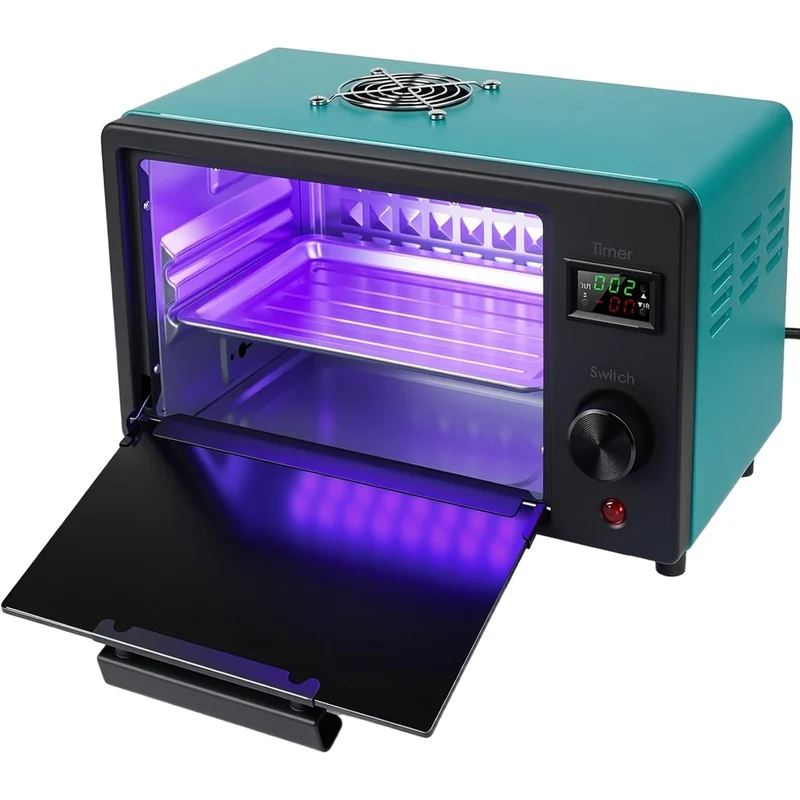
 Product image unavailableSelected DX-80Z80W280W UV Curing BoxEnclosed tabletop boxSelect product
For any questions or issues,
we're here to help.


Manuals & Tutorials
GISTAR Support Center
Find product manuals, setup guides, and troubleshooting instructions.
5 products
Product image unavailableSelected DX-80Z80W280W UV Curing BoxEnclosed tabletop boxSelect product 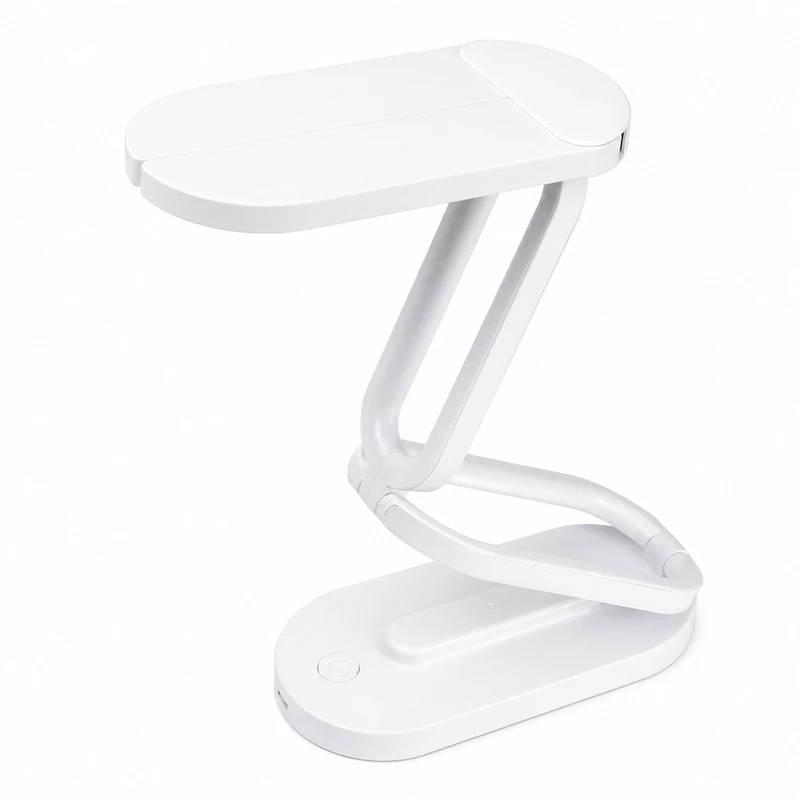 Product image unavailableSelected Portable lightsCordless Folding UV Lamp4000 mAh batterySelect product
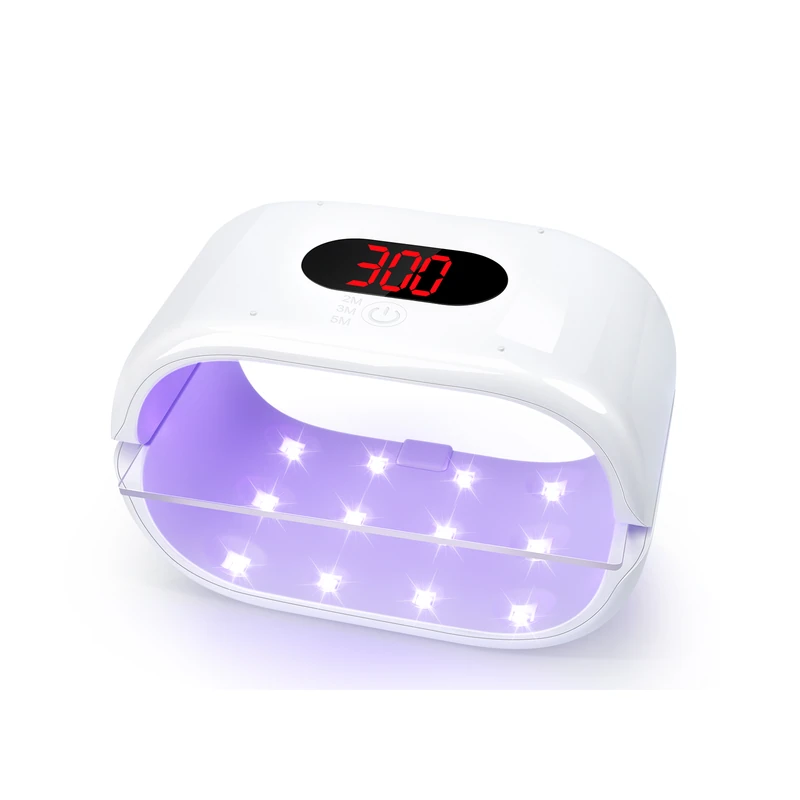 Product image unavailableSelected Portable lights36W Double-Sided UV LampMagnetic, detachable two-part lampSelect product
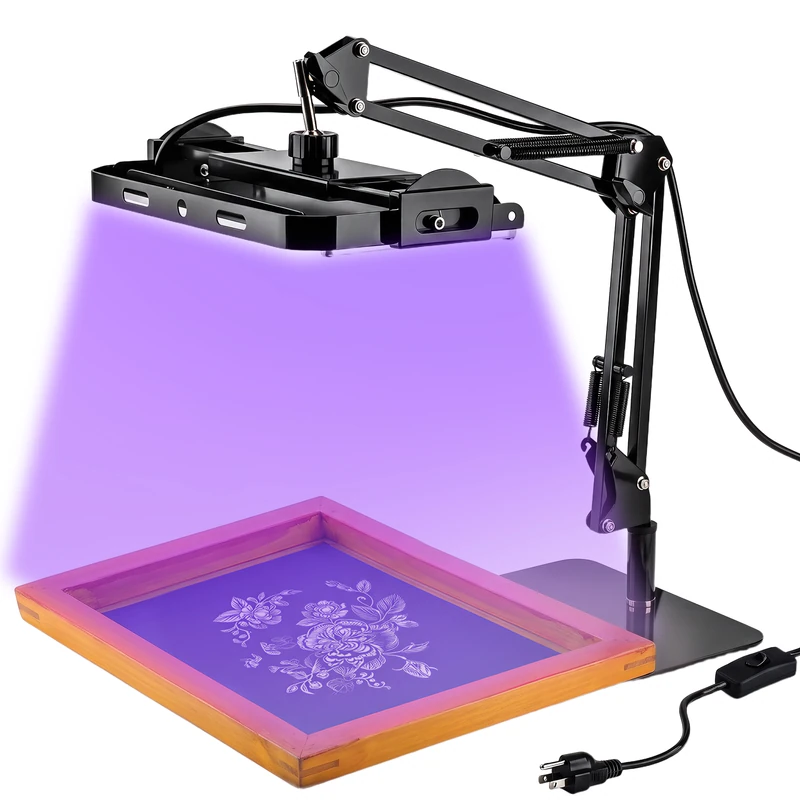 Product image unavailableSelected CLT50B50W UV Light & Arm StandArticulated arm with tabletop baseSelect product
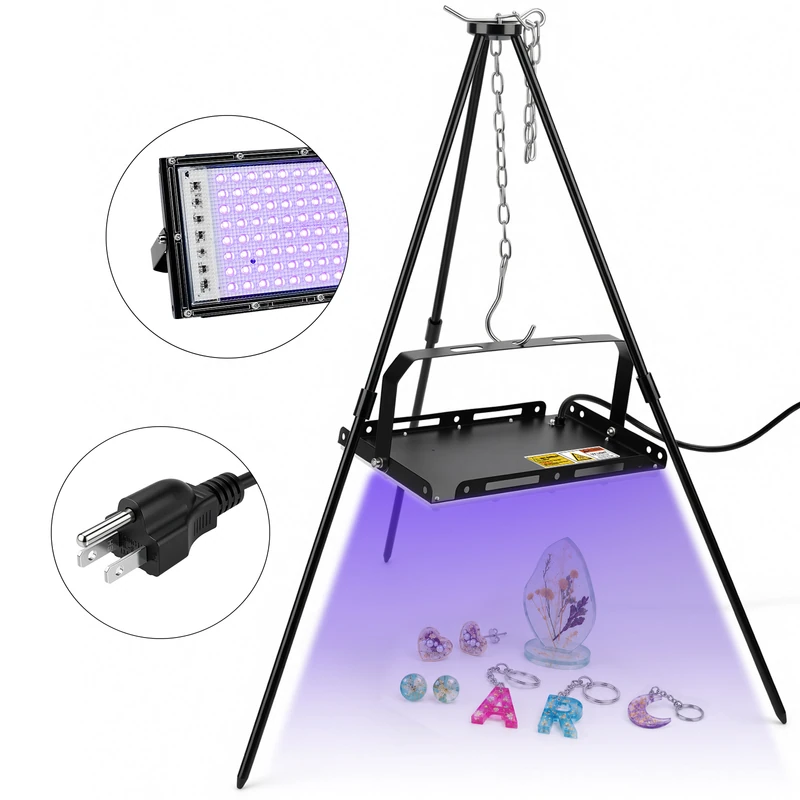 Product image unavailableSelected CLT50B50W UV Light & TripodThree-leg freestanding tripodSelect product Product image unavailable
Product Manual
80W Resin Curing Machine
Setup, timer controls, care, and warranty information.
Setup Guide
Online guide- Place the box on a stable, ventilated work surface and check the supplied instructions.
- Check that your material is UV-curable and compatible with the device. Follow the resin maker's layer-depth guidance.
- Arrange pieces on the tray without stacking them. Close the door before starting a cycle.
- Begin with the resin maker's recommended settings, let pieces cool, and inspect all sides before handling.
Care Instructions
Disconnect the power and let the device cool before cleaning or storing. Keep liquids away from electrical parts and follow the supplied manual for cleaning. Check the cable and moving parts before use.
Use with the right materials
Match the lamp to your resin or emulsion requirements. Do not assume ordinary two-part epoxy is UV-curable. Avoid direct eye and skin exposure to UV light, and use the protection and ventilation required by your materials.
Common questions
Will a UV lamp cure ordinary two-part epoxy?
Ordinary two-part epoxy cures by a chemical reaction after resin and hardener are mixed. A UV light is not a replacement for that process. Use a material specifically formulated for UV curing and follow its manufacturer's instructions.
How long should I cure a piece?
There is no single time for every project. Resin formula, pigment, layer thickness, distance, and the mold all matter. Follow the resin maker's starting guidance and test a small piece before making a batch.
Why is my resin still tacky?
Check compatibility, exposure, distance, layer thickness, and whether light can reach the whole piece. Heavy pigment and opaque molds can block UV. Avoid touching uncured resin and follow your material supplier's troubleshooting guidance.
Need more help?
Send your product and purchase details to our support team.
Product image unavailableSetup Guide
Online guideSetup and care overview. Need the complete instructions? Send us your model and order details.
- Charge the lamp using the power specification in the supplied instructions.
- Unfold it on a level surface and set the height and panel angle for your mold.
- Select a timer and cure a small test piece using your resin maker's instructions.
- Inspect and cure accessible surfaces as needed, then switch off and let the lamp cool before folding.
Care Instructions
Disconnect the power and let the device cool before cleaning or storing. Keep liquids away from electrical parts and follow the supplied manual for cleaning. Check the cable and moving parts before use.
Use with the right materials
Match the lamp to your resin or emulsion requirements. Do not assume ordinary two-part epoxy is UV-curable. Avoid direct eye and skin exposure to UV light, and use the protection and ventilation required by your materials.
Common questions
Will a UV lamp cure ordinary two-part epoxy?
Ordinary two-part epoxy cures by a chemical reaction after resin and hardener are mixed. A UV light is not a replacement for that process. Use a material specifically formulated for UV curing and follow its manufacturer's instructions.
How long should I cure a piece?
There is no single time for every project. Resin formula, pigment, layer thickness, distance, and the mold all matter. Follow the resin maker's starting guidance and test a small piece before making a batch.
Why is my resin still tacky?
Check compatibility, exposure, distance, layer thickness, and whether light can reach the whole piece. Heavy pigment and opaque molds can block UV. Avoid touching uncured resin and follow your material supplier's troubleshooting guidance.
Need more help?
Send your product and purchase details to our support team.
Product image unavailableSetup Guide
Online guideSetup and care overview. Need the complete instructions? Send us your model and order details.
- Connect the supplied adapter and set the lamp on a dry, level work surface.
- Arrange the two lamp sections as shown in the supplied instructions.
- Place a compatible clear mold or small UV resin piece within the illuminated area and select the timer.
- Check the full piece after the cycle. Pigment, thickness, and opaque molds can limit light penetration.
Care Instructions
Disconnect the power and let the device cool before cleaning or storing. Keep liquids away from electrical parts and follow the supplied manual for cleaning. Check the cable and moving parts before use.
Use with the right materials
Match the lamp to your resin or emulsion requirements. Do not assume ordinary two-part epoxy is UV-curable. Avoid direct eye and skin exposure to UV light, and use the protection and ventilation required by your materials.
Common questions
Will a UV lamp cure ordinary two-part epoxy?
Ordinary two-part epoxy cures by a chemical reaction after resin and hardener are mixed. A UV light is not a replacement for that process. Use a material specifically formulated for UV curing and follow its manufacturer's instructions.
How long should I cure a piece?
There is no single time for every project. Resin formula, pigment, layer thickness, distance, and the mold all matter. Follow the resin maker's starting guidance and test a small piece before making a batch.
Why is my resin still tacky?
Check compatibility, exposure, distance, layer thickness, and whether light can reach the whole piece. Heavy pigment and opaque molds can block UV. Avoid touching uncured resin and follow your material supplier's troubleshooting guidance.
Need more help?
Send your product and purchase details to our support team.
Product image unavailableProduct Manual
50W UV Resin Curing Light
Includes articulated arm and tripod installation.
Setup Guide
Online guide- Assemble and secure the stand following the included instructions.
- Position the panel over a stable surface and tighten the adjustment points.
- Check your resin or emulsion manufacturer's wavelength requirements and make an exposure test.
- Keep the distance and exposure conditions consistent between tests. Switch off before repositioning.
Care Instructions
Disconnect the power and let the device cool before cleaning or storing. Keep liquids away from electrical parts and follow the supplied manual for cleaning. Check the cable and moving parts before use.
Use with the right materials
Match the lamp to your resin or emulsion requirements. Do not assume ordinary two-part epoxy is UV-curable. Avoid direct eye and skin exposure to UV light, and use the protection and ventilation required by your materials.
Common questions
Will a UV lamp cure ordinary two-part epoxy?
Ordinary two-part epoxy cures by a chemical reaction after resin and hardener are mixed. A UV light is not a replacement for that process. Use a material specifically formulated for UV curing and follow its manufacturer's instructions.
How long should I cure a piece?
There is no single time for every project. Resin formula, pigment, layer thickness, distance, and the mold all matter. Follow the resin maker's starting guidance and test a small piece before making a batch.
Why is my resin still tacky?
Check compatibility, exposure, distance, layer thickness, and whether light can reach the whole piece. Heavy pigment and opaque molds can block UV. Avoid touching uncured resin and follow your material supplier's troubleshooting guidance.
Need more help?
Send your product and purchase details to our support team.
Product image unavailableProduct Manual
50W UV Resin Curing Light
Includes articulated arm and tripod installation.
Setup Guide
Online guide- Set up the tripod with all legs stable and attach the light exactly as instructed.
- Secure the hanging assembly and route the cable away from the work area.
- Position a compatible project beneath the panel and establish distance and time with a small test.
- Switch off before adjusting the assembly. Let the lamp cool before moving or storing it.
Care Instructions
Disconnect the power and let the device cool before cleaning or storing. Keep liquids away from electrical parts and follow the supplied manual for cleaning. Check the cable and moving parts before use.
Use with the right materials
Match the lamp to your resin or emulsion requirements. Do not assume ordinary two-part epoxy is UV-curable. Avoid direct eye and skin exposure to UV light, and use the protection and ventilation required by your materials.
Common questions
Will a UV lamp cure ordinary two-part epoxy?
Ordinary two-part epoxy cures by a chemical reaction after resin and hardener are mixed. A UV light is not a replacement for that process. Use a material specifically formulated for UV curing and follow its manufacturer's instructions.
How long should I cure a piece?
There is no single time for every project. Resin formula, pigment, layer thickness, distance, and the mold all matter. Follow the resin maker's starting guidance and test a small piece before making a batch.
Why is my resin still tacky?
Check compatibility, exposure, distance, layer thickness, and whether light can reach the whole piece. Heavy pigment and opaque molds can block UV. Avoid touching uncured resin and follow your material supplier's troubleshooting guidance.
Need more help?
Send your product and purchase details to our support team.
After-Sales Support
Let's get it sorted.
How can we help?
Share your product and purchase details. Our team will reply to your email.
Step 1 of 3Product & purchase
Request sent.
Your request has been sent to the GISTAR support team.
Reference